
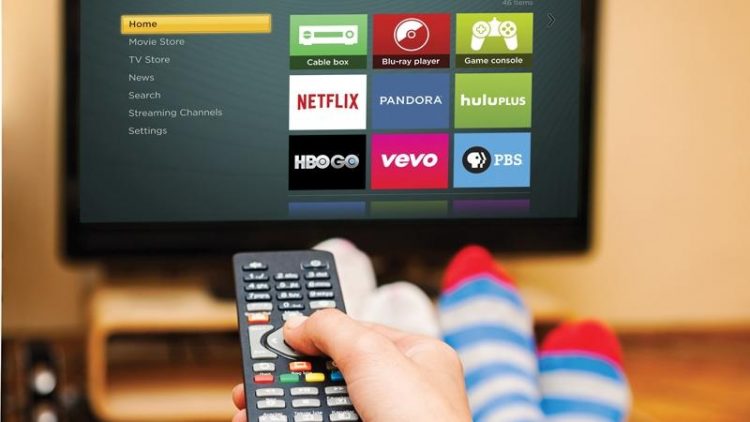

There’s a new kid in the comedy game these days — well, actually, there are a bunch of new kids, now that more people are ditching their TVs for laptop screens. With the rapid rise of richly-funded digital networks, it’s easier than ever to discover and distribute new comedy — so, does cable even matter anymore?
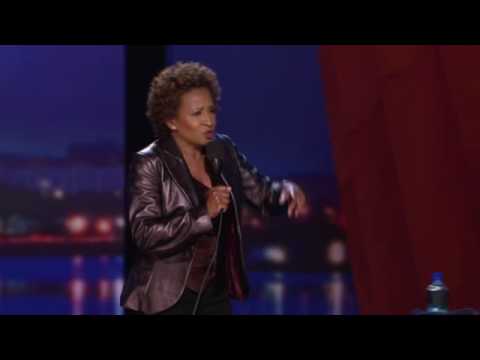
For years, premium cable providers HBO and Showtime were the only networks airing stand-up comedy specials; under their stewardship, many of today’s biggest comics were able broaden their audience and find returning success as young performers. But as consumer markets move even further towards streaming-only households, broadcast is falling to the wayside. Not that that’s news, but with the new medium comes new providers, like Netflix and Seeso, who are aiming their cameras at both big-name and up-and-coming comedians — doing a job that used to belong solely to premium cable channels and late-night talk shows.
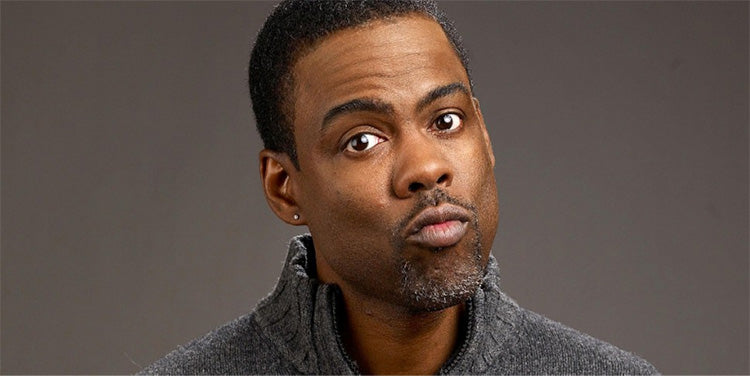
HBO has always been a strong player in the comedy world. By the end of his life, George Carlin had recorded 14 stand-up specials with HBO across four decades. In the late 90s, their program HBO Comedy Half-Hour helped bring attention to then-newcomers like Chris Rock, Louis CK, Marc Maron, Sarah Silverman, Patton Oswalt, and Dave Chappelle. In 1998, a then-30-year-old Paul F. Tompkins filmed his experimental HBO special, Driven to Drink, in which the comedian routinely stepped away from his audience to visit an onstage bar and chat with drink slinger (and fellow comic) Craig Anton. As a premium network with the ability to dictate the content of its programming, HBO gave comedians creative freedoms they couldn’t get from network TV.
And that’s how the comedy game went in the pre-internet world: a comedian could feature on late night for a few minutes of very vetted material, but the time that belonged solely to them — where they could stretch their legs and not be afraid to throw in uncensor-able material — existed only on premium cable.
In a world with the internet, online providers practice the same freedom cable used to, curating and creating original content by their standards only. And with the ubiquity of smartphones and personal computers, streaming services are now portable TV channels patiently waiting to be tapped for content, just as Tinder is a portable singles bar waiting to be tapped for Netflix-and-chill hookups. Which relatedly, Netflix — a platform that’s essentially throwing a mass of original content at a wall and seeing what sticks — has been perhaps the most aggressive with their rollout of original comedy.
An email to The Verge from Netflix confirmed their mission to release at least one comedy special a week in 2017. So far, they’ve made good on that promise. This year alone (and it’s only halfway through), the company has released specials from comedy juggernauts like Louis CK, Amy Schumer, Tracy Morgan, Bill Burr, and Dave Chappelle. The streaming service has also enthusiastically teamed with comedians to create original TV series (Aziz Ansari, Maria Bamford, Chelsea Handler, and Bill Burr), and it’s slowly incorporating older specials into their library (Richard Pryor, Sam Kinison, and so on).
Of all the pre-taped comedy specials that have been released this year, 22 out of 50 are from Netflix.
The number two distributor, Seeso — with seven specials this year so far — is an all-comedy streaming service owned by NBCUniversal that launched in back in January of 2016. Sure, the network’s investing in stand-ups by producing original specials — but they’re also backing other types of creative projects from comics of all stripes, illustrating that digital networks, unlike their cable predecessors, have the advantage of unlimited “air time” and the ability to invest in more — and more varied — types of shows.
Seeso syndicates licensed shows, like Saturday Night Live and Parks and Recreation, but the provider’s strength is its original programming. The company’s flagship shows include Harmonquest, a Dan Harmon (Community) original that animates the fantasy RPG campaigns the host and his comedian friends; Take My Wife, a sitcom based on the intertwined personal and professional lives of a real-life couple Cameron Esposito and Rhea Butcher; and Bajillion Dollar Propertie$, a satirical reality show based at a ridiculous realty company. The platform provides niche comedy programming that traditional networks wouldn’t take the risk to support.
And it’s not just Seeso that is tapping into niche comedy programming. Netflix has featured stand-up specials starring two performers (The Lucas Brothers’ On Drugs), and specials where one comic uses different parts of the stage to deliver different types of jokes (Neal Brennan’s 3 Mics). When they released Chappelle’s most recent specials, they packaged them as a double-header.
And for their part, cable network Epix just released married couple Nick Offerman and Megan Mullally’s variety show-style special, Summer of 69: No Apostrophe. And thanks to the near-daily founding of new platforms, fans are able to access more, and more varied, comedy with every passing day.
So where is HBO, the longest-running player, in this evolving digital landscape? They’re still kicking, now that they’ve jumped into the digital game with their streaming service HBO Go. Jerrod Carmichael released his second special with the network, the Bo Burnham-directed 8, earlier this year. Chris Gethard’s Career Suicide came in mid-May, and in June we’ll see T.J. Miller’s Meticulously Ridiculous premiere. By comparison, last year the network released just three specials. HBO seems to be celebrating the voices of the less-known comedians more and more — but they pale in comparison to competitors like Netflix.
We’re lucky to love comedy in midst of all these great transitions in media consumption, changes that make it easier for comedians to connect with potential fans — and for fans to find literally anything they might be interested in, with a few quick taps. But ease of use isn’t the only benefit of ditching cable in favor of streaming-only services; now, more than ever, artists have the ability to create projects they really love, that aren’t subject to the censorship or viewership anxieties that broadcast is tied down by. And no genre is benefiting from this freedom more than comedy — because everyone has a different answer to the question, “what makes you laugh?”